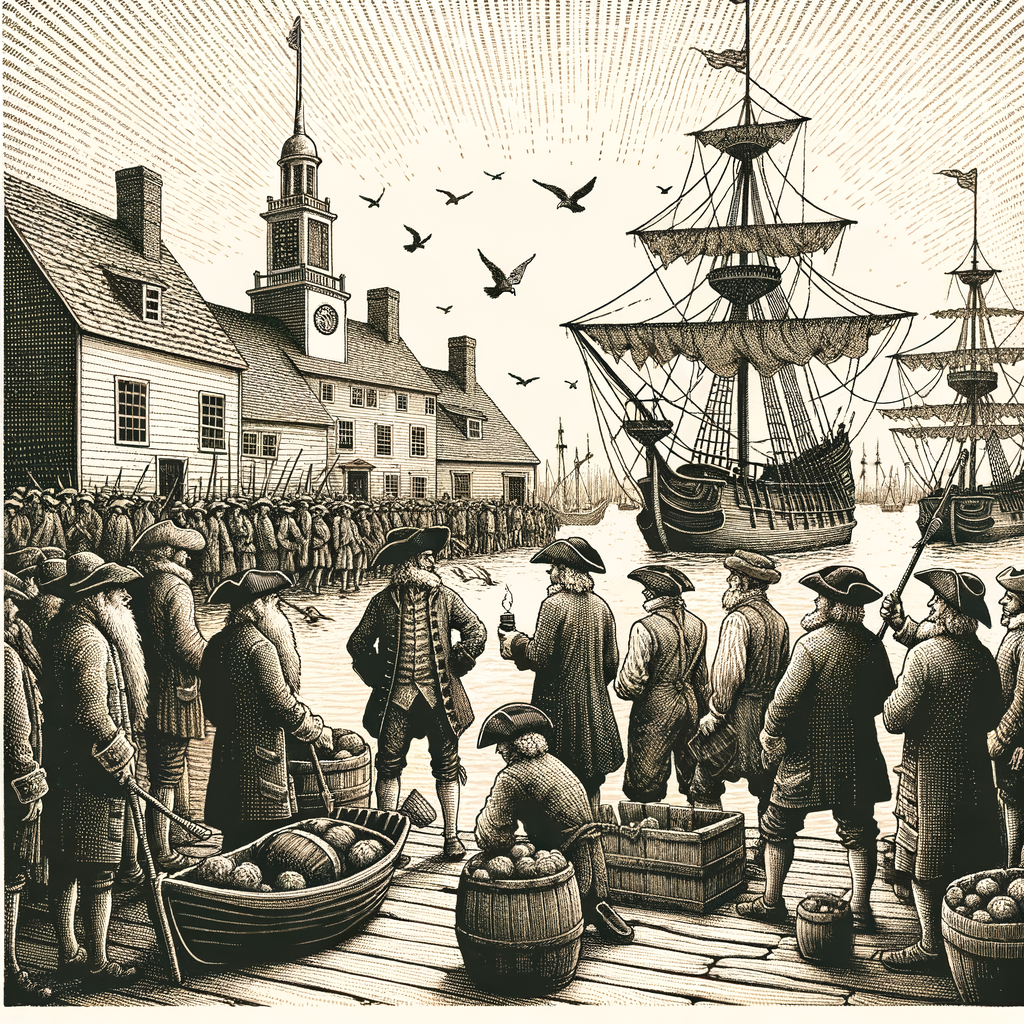
The fleet dropped anchor in a bay so still it might have been painted. Seven ships, their hulls scarred by a thousand miles of running, settled into water the color of old copper. Captain Elias Blackwater stood at the bow of the Resolute and studied the shoreline with the expression of a man calculating the distance between hope and foolishness.
The mangroves grew so thick they seemed to breathe. Beyond them, limestone ridged up white and jagged, and behind that—nothing. No settlement, no flag, no cannon smoke. Just the low hum of insects and the cry of birds that had never seen a ship.
"This is it, then," said the harbor master, a man named Greydon Salt who carried a leather-bound ledger everywhere and trusted numbers more than men. "This is where we stop running."
Blackwater said nothing. He was watching the water. Something about the way the tide moved here—the way the bay curved like a cupped hand—reminded him of harbors he had burned. Only this one had never been built.
Within a week they had named it. Brine Gate. Not for any gate that existed, but for the feeling of passing through something. The fleet had sailed through storms, blockades, betrayals, and the slow erosion of every certainty that had once defined their world. This bay on the southern edge of the continent felt like the other side of all of that.
The factions, naturally, disagreed about everything. The Frestagon delegation wanted the harbor fortified immediately—walls, cannon placements, watchtowers. The Corsair Compact argued for commerce first: warehouses, docks, a counting house. The Free Mariners simply wanted fresh water and a place to careen their ships.
Greydon Salt, who belonged to no faction and served only the ledger, began drawing up the first survey of Brine Harbor. He measured the depth of the bay at forty-seven points. He catalogued the timber available on shore. He calculated how many structures could be raised before the monsoon season.
What he did not write in his ledger—what he would never write—was the observation he made on the third night. Standing on the limestone ridge at sunset, looking back toward the bay, he saw something that stopped his pen. The shape of the coastline. The angle of the river mouth. The way the afternoon light caught the water and turned it to hammered gold.
He had seen this before. In a chart. A very old chart, locked in a Spanish admiralty vault that the fleet had raided six months prior. A chart dated 1503, annotated in a hand so faded it might have been written by ghosts. The annotations described a bay "where the gate opens onto brine" and warned that "what is built here will outlast those who build it."
Salt closed his ledger. He looked at the bay. He looked at the mangroves that would one day be concrete. He looked at the limestone that would one day be foundations.
He kept his mouth shut.
Some things are worth more as secrets.